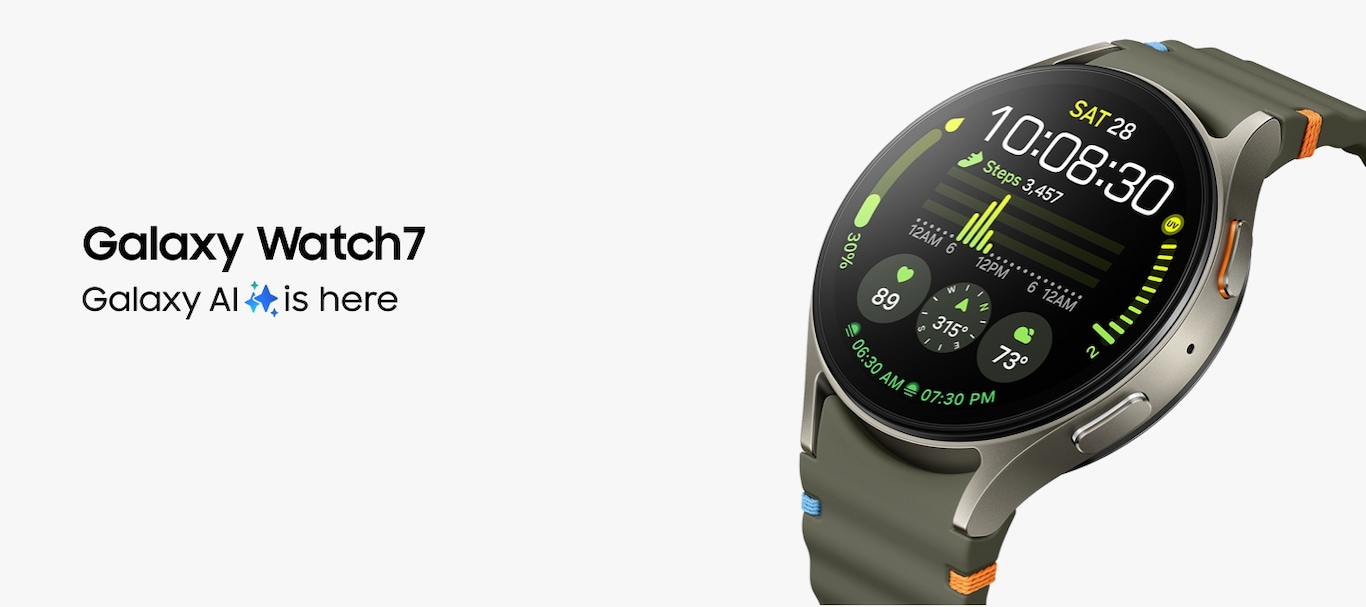
Here’s a full overview of what makes it stand out — and where you might want to think twice before upgrading.
Design & Display
-
The Galaxy Watch 8 comes in two sizes: 40mm and 44mm. T-Mobile+2PhoneArena+2
-
The body thickness is reduced: the standard model measures around 8.6 mm thick, making it slimmer than its predecessor. PhoneArena+1
-
It uses a Super AMOLED display with sapphire crystal and a peak brightness up to 3,000 nits, enhancing readability even under bright sunlight. T-Mobile+1
-
Build materials: The standard model uses aluminum alloy for the case; the display is circular but set inside a “cushion” shaped body for a modern aesthetic. Samsung nz+1
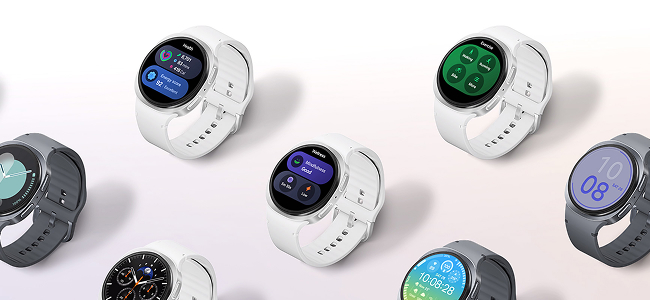
Why this matters: The slimmer profile improves comfort, especially for long wear. High brightness ensures visibility outdoors, and the premium materials boost durability and feel.
Performance & Hardware
-
The Watch 8 is powered by Samsung’s Exynos W1000 chip built on a 3 nm process, improving efficiency and power. PhoneArena+1
-
Memory/storage: The standard model offers 2 GB RAM and 32 GB storage for the 40mm/44mm sizes. PhoneArena+1
-
Connectivity: Includes Bluetooth (v5.3), Wi-Fi (2.4 + 5GHz), NFC, eSIM / LTE versions, and dual-frequency GPS for better location accuracy. T-Mobile+1
Why this matters: A modern chipset and ample storage means the watch runs smoothly and can store more apps/music. Strong connectivity makes it more independent of your phone.
Health & Fitness Features
-
The Watch 8 features the “BioActive Sensor” which combines heart rate sensor, ECG, bio-impedance analysis (BIA) and more. T-Mobile+1
-
New wellness features include Bedtime Guidance, Antioxidant Index, and Vascular Load monitoring — giving deeper health insights. PhoneArena
-
Fitness tracking: Running Coach, improved sleep tracking, stress monitoring and improved sensor accuracy. PhoneArena
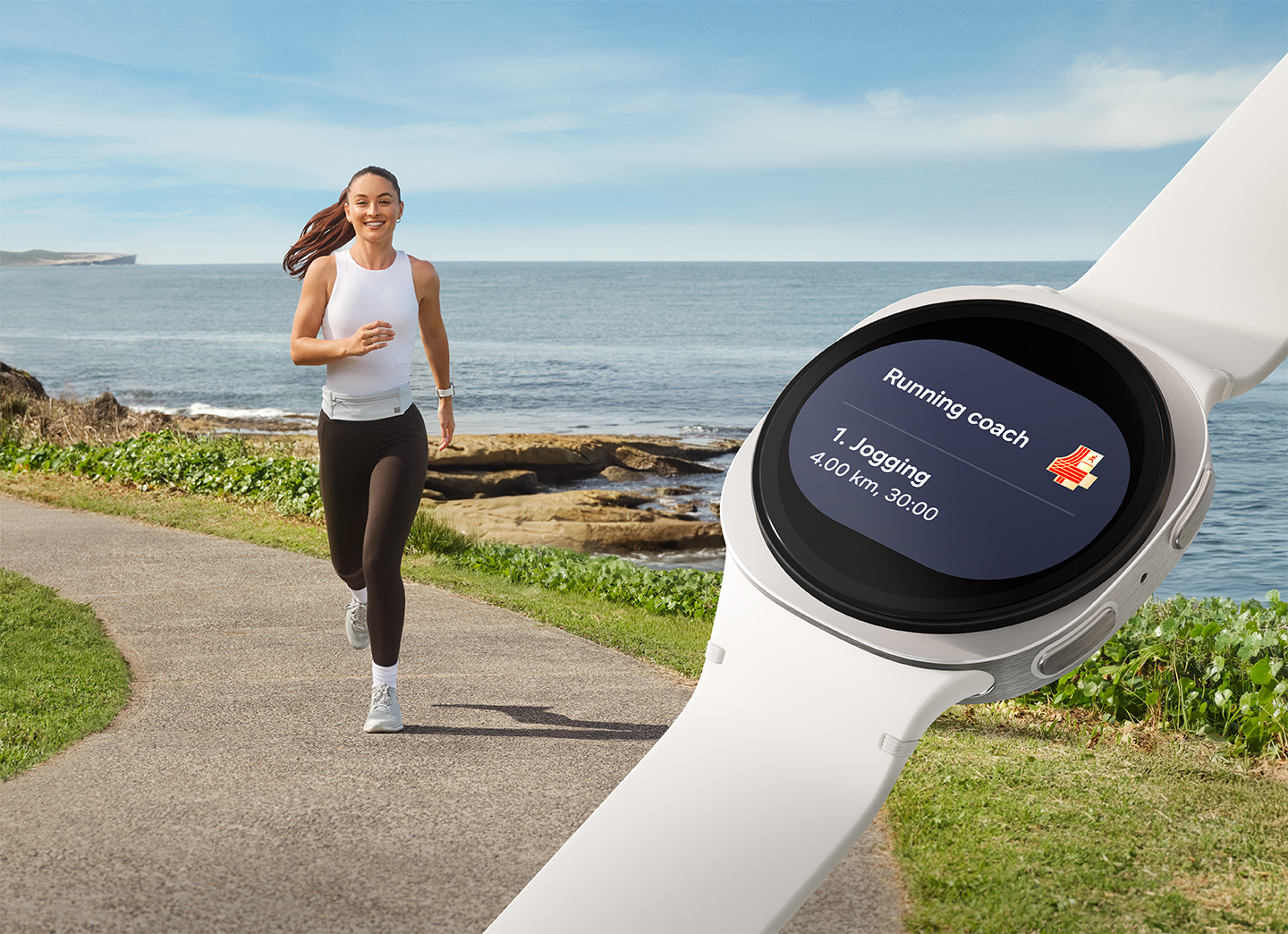
Why this matters: Beyond standard step/heart rate tracking, these advanced features provide a more holistic view of wellness, useful for users serious about health and fitness.
Battery Life & Charging
-
Battery capacities: For the standard model: approx 325 mAh (40mm) and 435 mAh (44mm). PhoneArena+1
-
Real-world battery life is estimated at up to 40 hours on typical use, though features like always-on display may reduce this. Android Central
-
Charging: Wireless charging supported, same 10W or similar speeds compared to prior models. PhoneArena
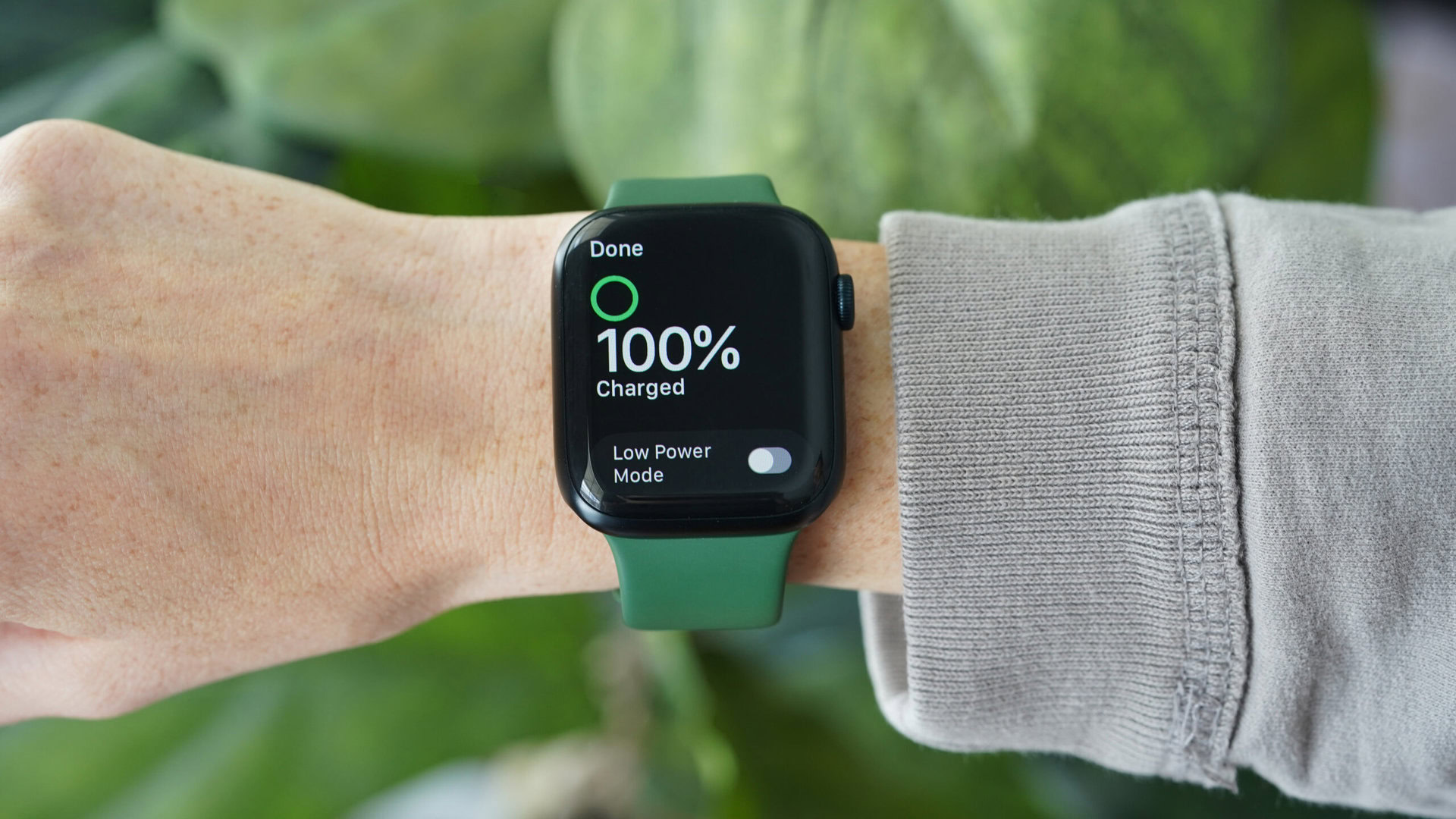
Why this matters: While not revolutionary in battery life, the improvements and charging convenience make the watch more practical for daily wear.
Software & Ecosystem
-
The Galaxy Watch 8 launches with Wear OS 6 + One UI Watch 8 (Samsung’s UI layer). T-Mobile+1
-
Integration with Samsung’s ecosystem: Works best with Galaxy phones, but most features are available on other Android devices (iOS support is limited).
-
App and watch face support is strong, and features like NFC payments (Samsung Pay) are included.
Why this matters: Software is as important as hardware when it comes to usability. A strong platform improves longevity and user experience.
Pricing & Availability (at launch)
-
In the U.S., the 40mm model started at approx US $349.99, and the 44mm around US $379.99 at launch. Android Central
-
Availability: Announced early July 2025 and shipping from late July 2025. PhoneArena
Consideration for Pakistan markets: Pricing will vary with import duties, currency exchange and local retailers. Deals and discounts may apply.
Pros & Cons
👍 Pros:
-
Modern, comfortable design and premium materials
-
Bright display in outdoor conditions
-
Strong health & wellness feature set
-
Good performance and storage
-
Tight integration with Samsung ecosystem
👎 Cons:
-
Battery life is improved but still only around ~1-2 days for heavy users
-
Best features may require a Samsung phone to unlock full potential
-
If you already own a recent smartwatch, the incremental upgrade may not justify cost
-
Compatibility with iOS is limited (if you’re an iPhone user)
Should You Buy It?
If you’re looking for a top Android-friendly smartwatch right now, especially if you use a Samsung Galaxy phone, the Galaxy Watch 8 is one of the best options. It balances style, performance and wellness features.
However, if you already own a Galaxy Watch 7 (or similar recent watch) and are satisfied with its performance, you might wait a year for more dramatic battery or feature leaps.
Final Thoughts
The Galaxy Watch 8 exemplifies how smartwatches are evolving: from mere timekeepers to health-driven, AI-powered lifestyle companions. As wearables become more integrated into our lives, choosing one that fits your ecosystem, style and usage habits becomes key — and the Watch 8 definitely makes a strong case.
References for further reading:
-
Samsung official specs page: “Galaxy Watch8 | Health & Fitness Smartwatch” Samsung nz
-
PhoneArena review: “Samsung Galaxy Watch 8 release date, price and features” PhoneArena
-
AndroidCentral: “Samsung Galaxy Watch 8: Price, specs, new features” Android Central