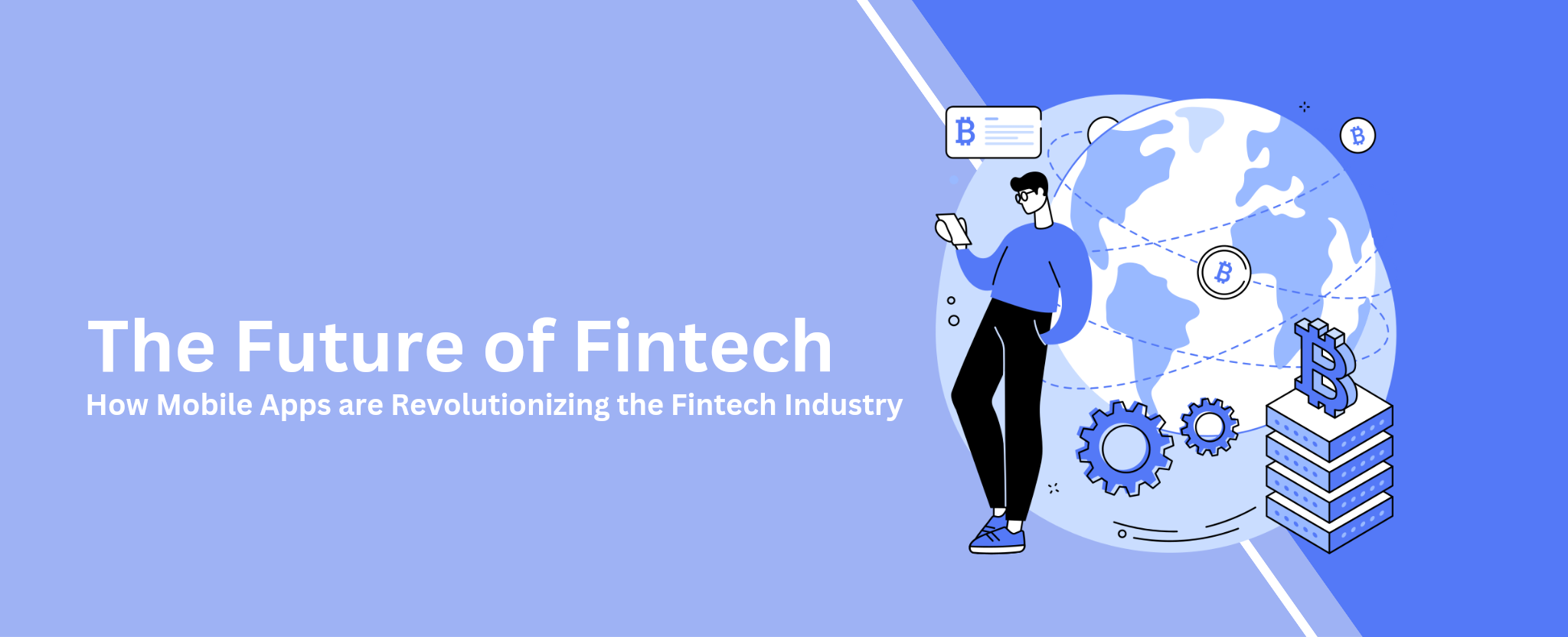
1. What is Fintech?

Fintech refers to the integration of technology into financial services. It covers a broad range of applications — from mobile banking apps to automated investment platforms, digital currencies, and online lending.
Essentially, Fintech aims to make financial services more accessible, efficient, and user-friendly. It’s transforming how consumers interact with money and how businesses manage transactions.
2. The Evolution of Digital Payments

Payments are at the heart of Fintech innovation. We’ve moved from cash and cards to instant digital payments using smartphones and wearables. Mobile wallets like Google Pay, Apple Pay, and PayPal are leading the shift, while QR code payments and NFC technology make transactions faster and safer than ever before.
Cross-border payments are also becoming more affordable and transparent, thanks to blockchain and real-time settlement systems.
3. Blockchain and Cryptocurrency

Blockchain technology has redefined payment security and transparency. By eliminating intermediaries, it allows for peer-to-peer transactions that are verified through decentralized networks.
Cryptocurrencies like Bitcoin, Ethereum, and stablecoins are not just speculative assets — they’re part of a global move toward digital currencies that could one day replace traditional money for certain transactions.
4. Artificial Intelligence and Smart Payments

AI plays a key role in modern payments — detecting fraud, analyzing spending behavior, and personalizing financial offers.
For businesses, AI-driven analytics help optimize payment flows and customer engagement, while for consumers, it ensures faster approvals, fewer errors, and smarter money management.
5. The Rise of Open Banking

Open Banking allows users to connect multiple bank accounts, investment apps, and payment platforms in one place.
By securely sharing financial data between providers, customers gain access to better deals, customized financial insights, and new digital experiences.
This approach is driving competition — pushing banks to innovate and collaborate with Fintech startups.
6. The Future of Payments: Instant, Borderless, and Invisible

In the near future, payments will become instant, borderless, and even invisible. Think of transactions that happen automatically — from subscription renewals to IoT devices paying for their own data usage.
Fintech will continue to blend into daily life until we hardly notice we’re making payments at all.
Conclusion
Fintech is redefining the global financial landscape. From mobile wallets and AI-driven services to blockchain-enabled transparency, the future of payments is smarter, faster, and more inclusive than ever.
Those who embrace these technologies today are shaping how the world will move money tomorrow.
References:
World Economic Forum & Cambridge Centre for Alternative Finance. The Future of Global Fintech: From Rapid Expansion to Sustainable Growth (Second Edition, 2025). Downloadable PDF. World Economic Forum Reports+1
-
Deloitte. Shaping the Future of Payments | Trends and Insights for 2025. PDF. Deloitte
The Paypers. The Global Payments and Fintech Trends Report 2025. The Paypers



No comments:
Post a Comment