Wednesday, November 5, 2025

How Digital Transformation is Changing Banking


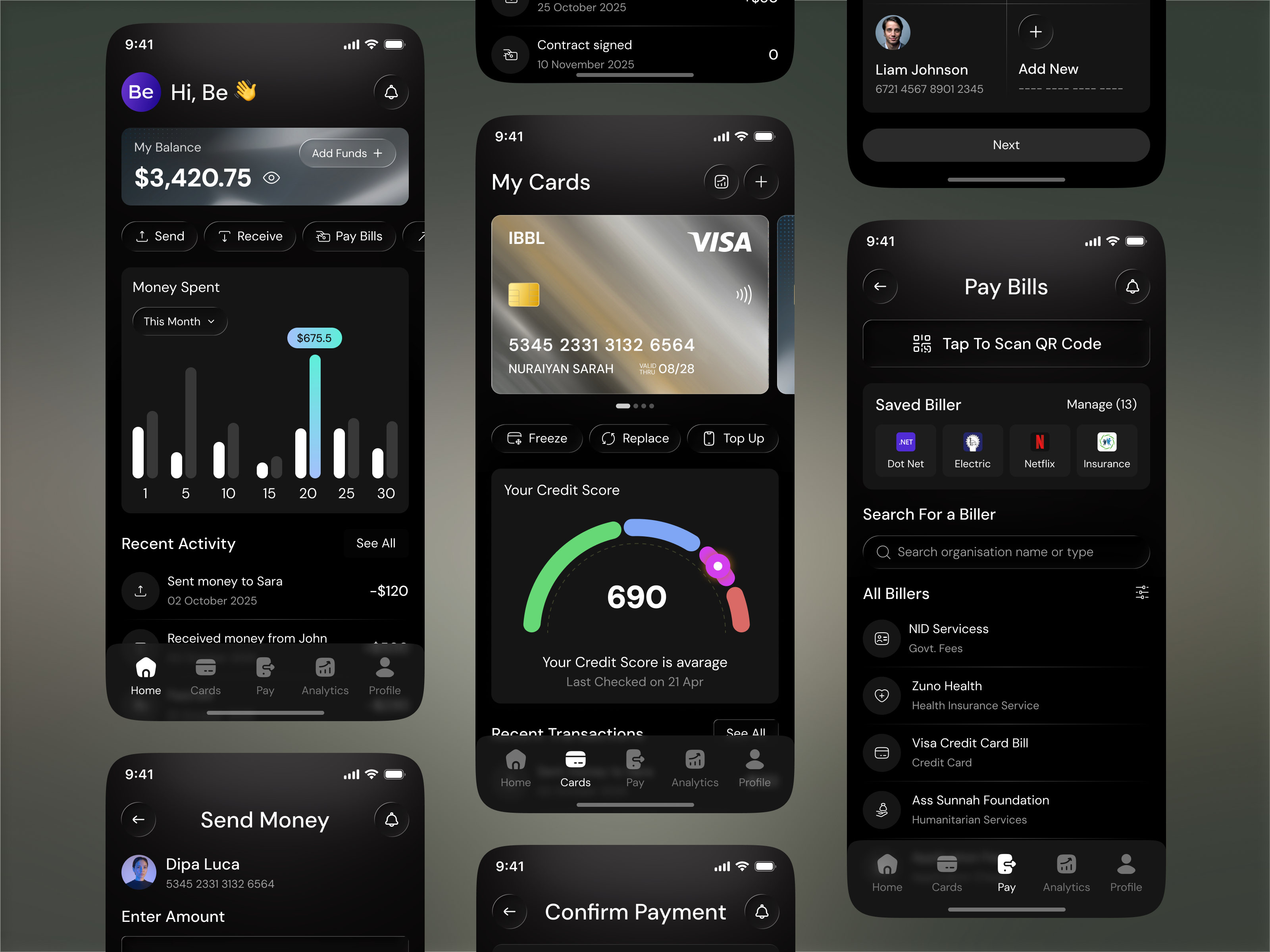
 The banking industry is undergoing one of the most dramatic transformations in its history. Digital technology has redefined how banks operate, how customers interact, and how value is created. In 2025, this shift has moved far beyond online banking—it’s a complete reinvention of the financial experience.

1. From Traditional to Smart Banking


Gone are the days when banking meant long queues and paperwork. Digital transformation has pushed banks to become smarter, faster, and more customer-centric. Core banking systems are being replaced by cloud-based solutions that support real-time processing, automation, and seamless digital access across all devices.


2. The Rise of Mobile and Neo-Banks


Mobile-first banking and neo-banks (digital-only banks) are leading the revolution. These platforms focus on convenience, offering account creation, payments, and even investment options in minutes. With AI-driven insights and minimal fees, customers now expect banking to be as smooth as using a social media app.


3. Artificial Intelligence and Data Analytics


AI is no longer futuristic—it’s at the heart of modern banking. From chatbots providing instant support to predictive analytics detecting fraud, data-driven decisions are redefining operations. Personalized financial advice, risk management, and loan processing are all being powered by AI’s precision and speed.


4. Blockchain and Security Innovations


Blockchain technology has made financial transactions more transparent and secure. It enables instant cross-border payments, reduces fraud, and streamlines verification. As cyber threats grow, blockchain and advanced encryption are key to maintaining customer trust in a fully digital environment.


5. Customer Experience and Personalization


The future of banking revolves around customer experience. Through data insights, banks now predict user needs and offer customized products—from savings goals to investment advice. The focus is on making customers feel understood, connected, and empowered.


6. Sustainability and Future Readiness


Digital transformation isn’t just about technology—it’s about sustainability. Banks are investing in green finance, reducing paper use, and adopting eco-friendly infrastructure. The digital future of banking aligns with a broader goal: responsible growth and long-term trust.


 Conclusion

Digital transformation is not a trend—it’s a new reality. Banks that adapt will continue to thrive in an increasingly competitive landscape. Those that don’t risk becoming irrelevant. The winners in this race are not the biggest banks—but the most adaptive and innovative ones.


References:

Five Major Financial Trends For 2025


1. Artificial Intelligence (AI) & Automation in Finance

AI and automation are increasingly embedded across finance functions — from risk management and underwriting to customer service and investment advice.

  Capgemini+3Future Today Strategy Group+3Accenture+3
“2025 tech trends report • financial services & insurance” (PDF)


2. Sustainability & Green Finance

Sustainability (ESG) and green finance are rising as priorities. Financial institutions are not just investing in “green” but also embedding sustainability into operations, risk frameworks and portfolios.

  SBS | Banking & Financing Platforms

“Emerging trends for asset finance in 2025"


3. Digital-Only Banks, Embedded Finance & Neobanks

Digital-only banks, fintech partnerships and embedded financial services (payments, lending, insurance) are disrupting traditional finance models.
“Top Banking Trends in 2025 and Beyond”


4. Changing Regulatory and Risk Landscape

Regulation, data governance, cyber-risk, and operational resilience are becoming more complex. Finance organizations are adapting to greater scrutiny, new legislation, and higher expectations around transparency and risk management. 
“The year ahead in financial services: 10 trends to watch in 2025”


5. Consumer Behavior & Digital Payments

Consumer expectations are shifting: more digital wallets, payment options, data-sharing for personalization, and fintech services rather than traditional banks. 
“Money Talks: What consumers expect from you in 2025”


Artificial Intelligence in Finance: Revolutionizing the Future of Money

Introduction

Artificial Intelligence (AI) is reshaping industries around the world — and finance stands at the forefront of this digital revolution. From algorithmic trading to fraud detection, AI is not just a futuristic concept anymore; it’s the driving engine behind smarter, faster, and more secure financial systems.

In today’s dynamic economy, banks, fintech companies, and investment firms are using AI to automate complex tasks, enhance decision-making, and deliver hyper-personalized experiences to customers.

1. The Rise of AI-Powered Banking

Modern banking is undergoing a massive transformation powered by machine learning algorithms.
AI helps banks analyze customer data, understand spending patterns, and recommend tailored financial products.

Examples of AI in Banking:

  • Chatbots like Erica (Bank of America) and Eno (Capital One) assist users with transactions and budgeting.

  • Predictive analytics detect unusual account activity before fraud occurs.

  • Loan approval systems use AI to assess risk and creditworthiness in real time.

“AI is making banks more human by understanding customers better than ever before.”


2. Smarter Investment and Trading

The stock market has always been data-driven, but now, AI-driven trading algorithms have taken it to a new level.
These systems analyze thousands of data points in seconds — from financial reports to social media sentiment — and make trades faster than any human can.

AI Applications in Investment:

  • Robo-Advisors (like Betterment and Wealthfront) use AI to design personalized portfolios.

  • Predictive analytics anticipate market trends and volatility.

  • Sentiment analysis tools interpret investor mood through news and online discussions.

This shift enables even small investors to access sophisticated financial insights once reserved for elite institutions. 


3. Risk Management and Fraud Detection

One of the greatest strengths of AI in finance is its ability to detect anomalies and prevent fraud.
Machine learning models continuously learn from past transactions, identifying suspicious behavior patterns instantly.

AI in Risk & Fraud Prevention:

  • Detects fake identities and synthetic fraud through real-time monitoring.

  • Predicts credit defaults by assessing nontraditional data (like spending habits).

  • Supports regulatory compliance through intelligent data tracking and reporting.

AI’s predictive power not only reduces losses but also helps financial institutions maintain customer trust.


4. Personalized Financial Experiences

Gone are the days of one-size-fits-all financial advice.
With AI, banks and fintechs can deliver personalized insights, helping users save more, spend wisely, and invest smartly.

For instance:

  • AI budgeting tools suggest where to cut unnecessary spending.

  • Virtual financial advisors offer real-time guidance based on lifestyle and goals.

  • AI-driven recommendation systems tailor credit card offers or savings plans to each customer.

This personalization builds loyalty — and creates a new level of financial empowerment for consumers.


5. Challenges and Ethical Considerations

While AI offers enormous potential, it also brings challenges:

  • Data privacy remains a serious concern.

  • Algorithmic bias can lead to unfair credit scoring.

  • Job displacement in finance roles is inevitable as automation increases.

To balance innovation with ethics, regulators and financial institutions must establish transparent and responsible AI frameworks.


6. The Future of AI in Finance

The next decade will see AI evolve from a supporting tool to a strategic core of finance.
Expect to see:

  • Fully automated banking operations

  • AI-driven regulatory compliance systems

  • Quantum-AI integration for faster financial forecasting

Financial institutions that embrace AI now will define the next generation of financial innovation.


Related Reads:

The Samsung Galaxy Watch 7: A Refined Iteration for Everyday Life

 The Samsung Galaxy Watch 7, while now succeeded by newer models, represented a solid step forward in Samsung's wearable technology. It ...