Finance
Smart Finance: How to Build a Strong Financial Future
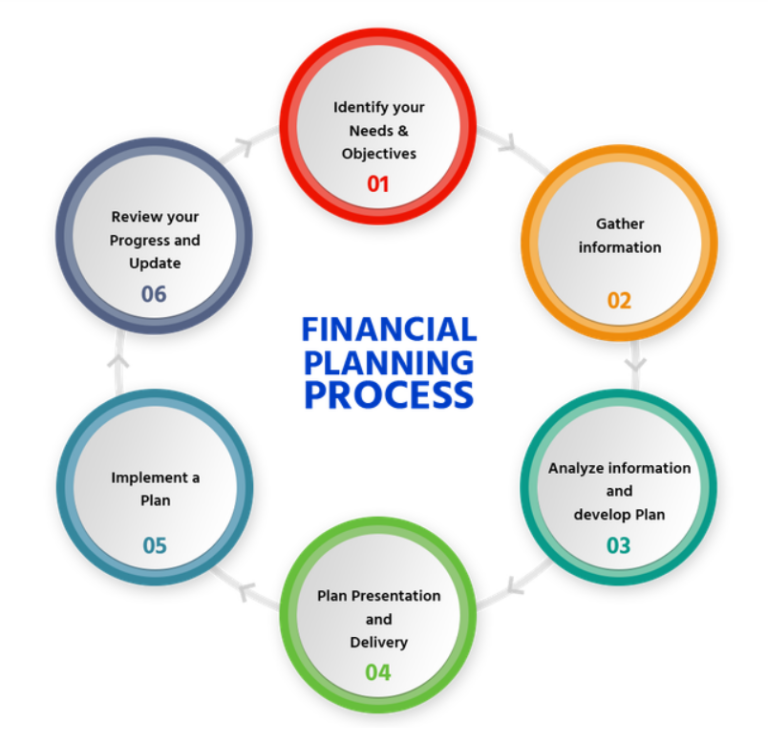
In today’s rapidly changing economic landscape, financial stability has become one of the most essential goals for individuals and families alike. Building a strong financial foundation isn’t just about saving a portion of your income — it’s about developing consistent habits that help your money grow, protect you from uncertainties, and prepare you for long-term success.This article explores key principles of smart financial management, including budgeting, saving, investing, debt control, and continuous learning.
1. Create a Realistic and Sustainable Budget
A budget is the cornerstone of effective financial management. It gives you a clear picture of where your money is going and helps you make informed decisions about spending and saving. Start by recording your monthly income and tracking all expenses for at least one month. Categorize your spending into:
 • Essential expenses: Rent, utilities, groceries, and transportation.
• Non-essential expenses: Entertainment, shopping, and dining out.
• Savings and investments: Emergency fund, retirement plan, and short-term savings goals.
A simple yet effective budgeting method is the 50/30/20 rule:
• 50% of your income for essential needs,
• 30% for personal wants,
• 20% for savings and debt repayment.
Creating a realistic budget ensures that you are not overspending and allows you to plan for the future with confidence.
2. Build an Emergency Fund
Financial emergencies can arise at any time — from unexpected medical bills to sudden job loss. An emergency fund acts as a safety net, providing financial support without forcing you into debt.

Ideally, your emergency fund should cover three to six months of living expenses. Keep this money in a high-yield savings account or another easily accessible place. The goal is not to earn high returns but to ensure immediate availability when needed.
Having a well-prepared emergency fund brings peace of mind and helps you stay financially stable even during uncertain times.
3. Invest Early and Wisely
Investing is one of the most powerful ways to grow your wealth over time. The earlier you start investing, the more you benefit from the power of compound interest — the process of earning interest on both your initial investment and the accumulated returns.

You don’t need a large amount of money to begin. Start with small, consistent investments in instruments such as:
• Mutual funds or ETFs (Exchange-Traded Funds) for diversification,
• Retirement accounts such as pension funds or IRAs,
• Stock market investments for higher growth potential (with higher risk).
For example, investing $100 per month at an average annual return of 8% could grow to over $150,000 in 30 years. The key is consistency, patience, and avoiding impulsive decisions based on short-term market changes.
4. Manage Debt Responsibly
Debt can be both a financial tool and a burden. While loans can help you achieve major life goals such as education or home ownership, excessive or poorly managed debt can limit your financial freedom.
Start by identifying all your debts and listing their interest rates. Focus on paying off high-interest debt first, such as credit card balances. Two common strategies for debt repayment include:
• The Snowball Method: Pay off the smallest debt first to build motivation and momentum.
• The Avalanche Method: Pay off the highest-interest debt first to minimize total interest paid.
Avoid unnecessary borrowing, and always ensure that your monthly debt payments do not exceed a manageable portion of your income.
5. Continue Learning About Personal Finance
Financial knowledge is a lifelong skill that can greatly influence your quality of life. The more you understand how money works, the better you can manage, invest, and protect it.
Stay informed through reputable finance blogs, books, podcasts, and educational videos. Some key topics worth exploring include:



No comments:
Post a Comment